Incontinence Clinic
대표 시술

Incontinence Clinic

From precision testing to surgical & non-surgical treatment

Book Now
Key Info

Key Treatment Information at a Glance

Essential details including treatment duration, anesthesia method, and recovery period

Duration
Duration1hr
Anesthesia
AnesthesiaSleep
Recovery
Recovery1 day
Visits
Visits1x
Who It's For

Recommended If You Have These Concerns

Check if this treatment is right for your symptoms and condition

Incontinence Diagnosis
When precise diagnosis of incontinence causes is needed
Voiding Dysfunction
Voiding Dysfunction
When voiding dysfunction or overactive bladder is suspected
Cystitis Symptoms
Cystitis Symptoms
When accompanied by symptoms of cystitis
Before & After

See the Difference: Before & After

See the changes you can expect through actual treatment cases
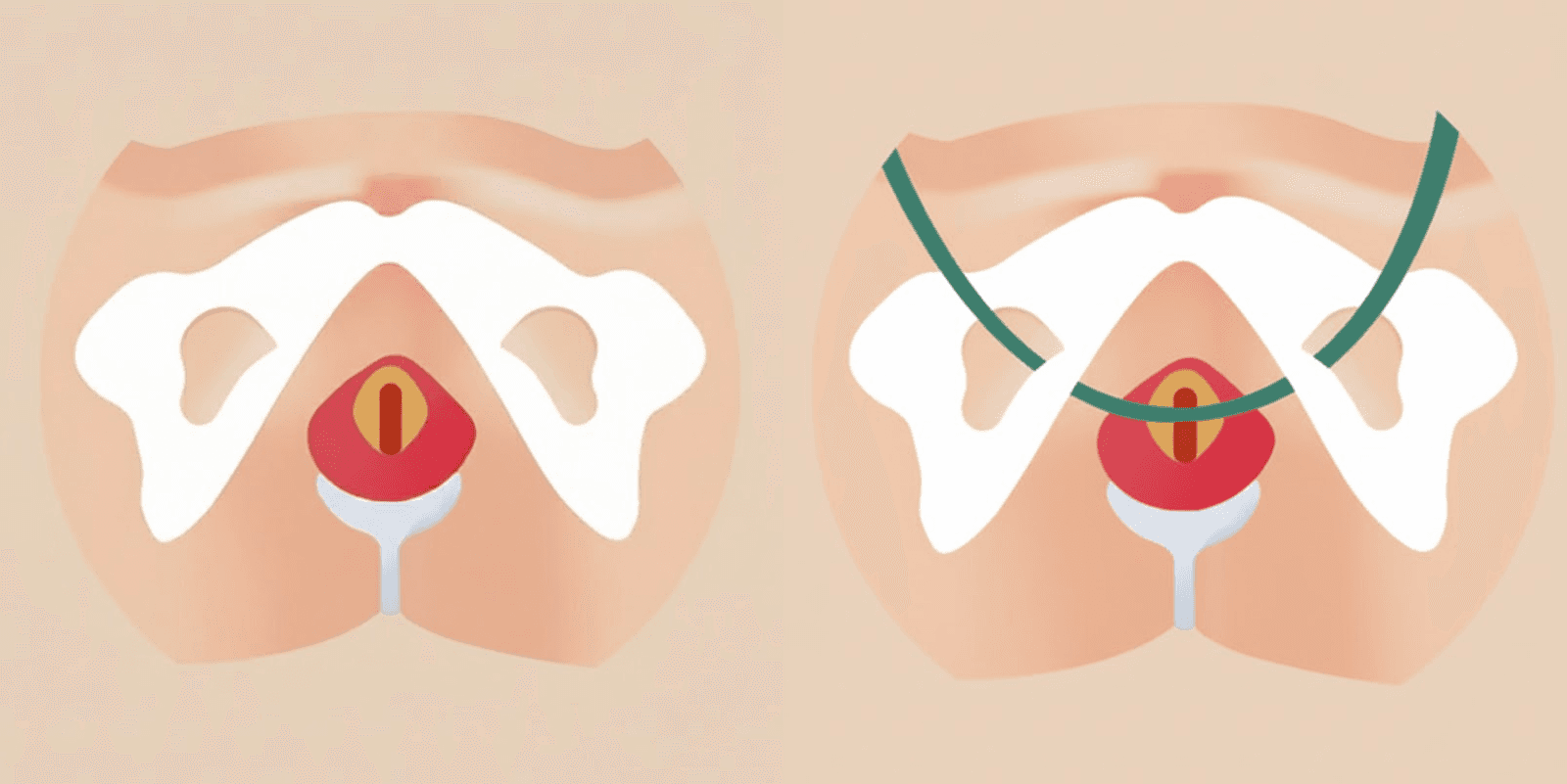
Incontinence TOT Before / After

Before / After

Incontinence Mini Sling Before / After

Before / After

Process

How the Treatment Process Works

From consultation to completion, we guide you through each step
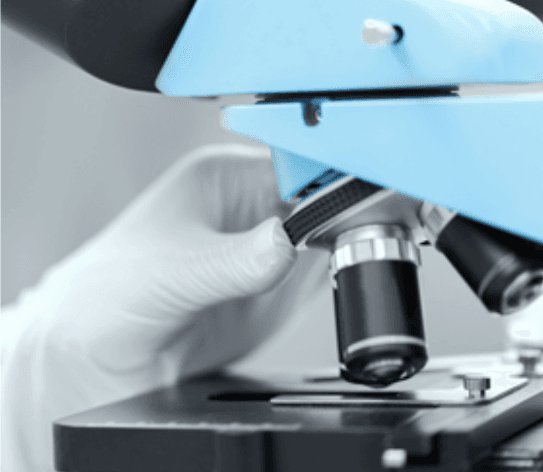
Incontinence Test (USD)
Our Edge

Why Choose Wooahan Women's Clinic

Differentiated results driven by extensive clinical experience and specialized expertise

Incontinence Cause Analysis01

Incontinence Cause Analysis Precisely analyzes the cause of incontinence.

Voiding Function Measurement02

Voiding Function Measurement Objectively measures and assesses voiding function.

Cystitis Diagnosis03

Cystitis Diagnosis Aids in diagnosing cystitis through rapid urinary tract infection detection.

Equipment

Only Proven Equipment and Products

FDA-approved equipment and genuine pharmaceuticals ensure safe and effective treatment
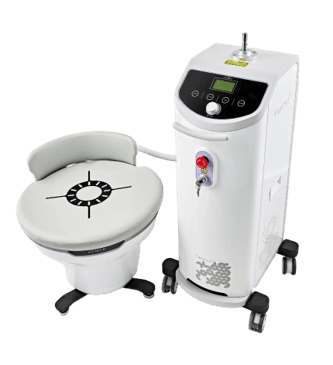
UI-FIT
UI-FIT
An electromagnetic field-based device that aids rapid recovery from urinary incontinence and other conditions.
Jilwave (RF)
Jilwave (RF)
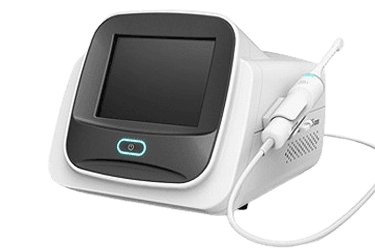
Tightening device delivering non-invasive RF to vaginal walls for collagen regeneration. Effective for laxity, mild incontinence, and dryness. 15-min pain-free procedure.
Viveve (CMRF)
Viveve (CMRF)
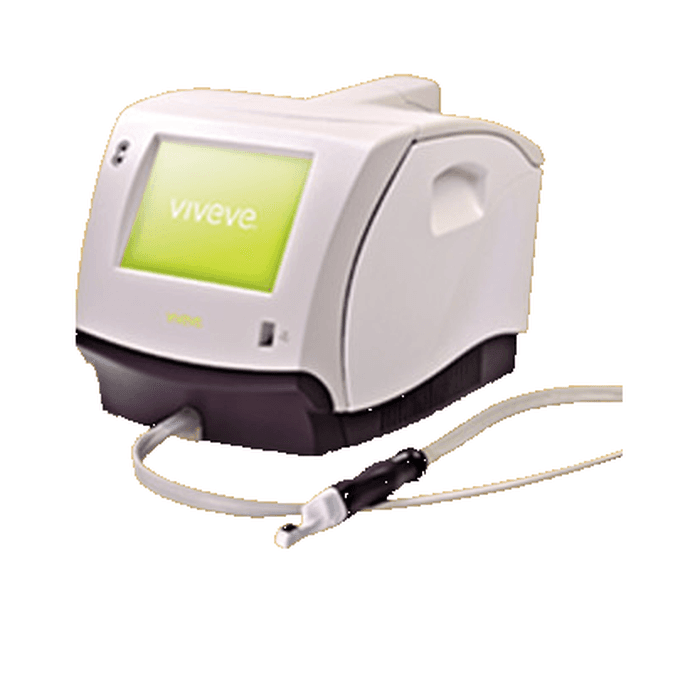
FDA-cleared non-surgical vaginal tightening combining monopolar RF (CMRF) with cooling. Single treatment lasts up to 12 months, improving elasticity and lubrication.
PRP (Platelet-Rich Plasma)
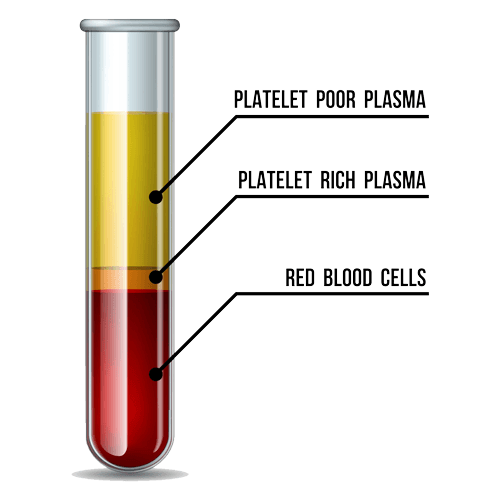
Autologous regenerative treatment injecting platelet-rich plasma from your own blood. Growth factors from platelets promote tissue regeneration and collagen synthesis without rejection.
Surgical Correction for Incontinence
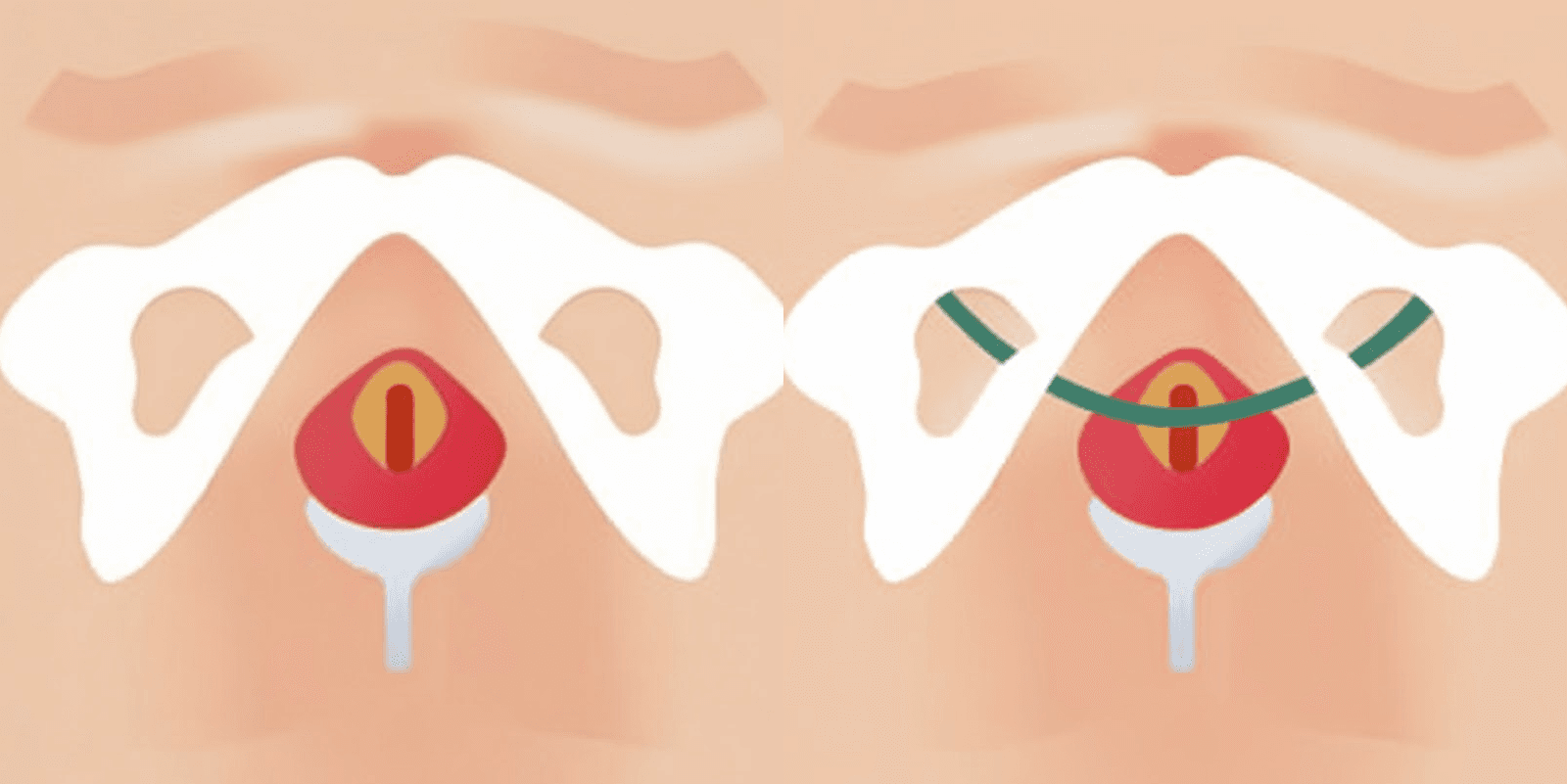
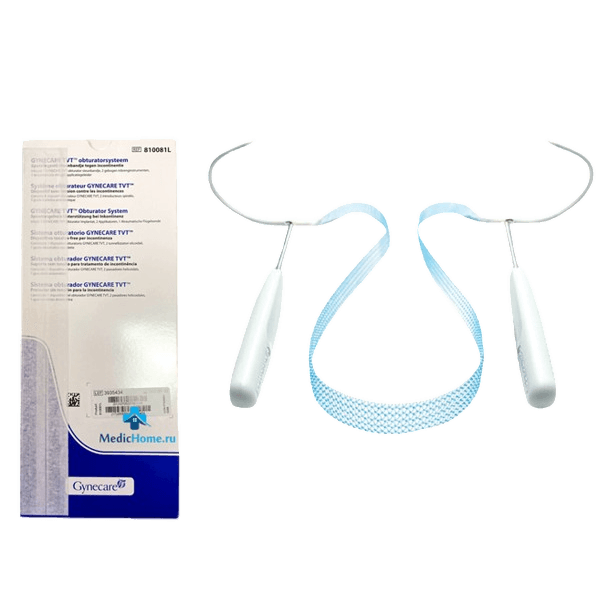
Surgery inserting polypropylene mesh tape at mid-urethra via TVT or TOT to support the urethra. Over 90% success rate for stress urinary incontinence.
Ultrasound Exam
Ultrasound Exam
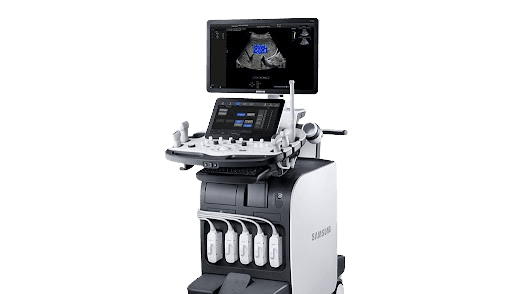
Basic ultrasound exam checking pelvic reproductive organ structure. Real-time visualization of uterine fibroids, ovarian cysts, and endometrial thickness for early detection.
Technology

Core Technology Behind This Treatment

Achieving both safety and efficacy based on the latest medical technology

Pelvic Floor Muscle Precision Assessment Urinary incontinence is often caused by weakening of the pelvic floor muscles and connective tissue that support the bladder and urethra, so the contraction state of the pelvic floor muscles is objectively assessed through vaginal pressure measurement (intravaginal pressure measurement) and evaluation of muscle strength and endurance. Based on the functional state identified this way, a direction suited to the individual is chosen among behavioral, pharmacological, and energy-based treatments, and results may vary by individual.

Energy-Based Treatment Principle A method that delivers energy such as radiofrequency (RF), electromagnetic stimulation, and laser to the pelvic floor area to induce collagen rearrangement and microcirculation in the mucosa and connective tissue, or repeatedly triggers involuntary contraction of the pelvic floor muscles to help strengthen them. It is attempted as a supplementary approach with minimized invasiveness, and since indications and the degree of response may vary by individual, applicability is determined through medical consultation.

FAQ

Get Your Questions Answered Before Treatment

The most frequently asked questions from patients, answered by our specialist

Urinary incontinence is classified into stress (urine leakage during coughing or sneezing), urgency (leakage with sudden urge), and mixed (combination of both) types. Treatment methods differ by type, making accurate diagnosis essential.

Mild to moderate incontinence can be sufficiently improved through non-surgical methods such as pelvic floor exercises (Kegel exercises), laser therapy, RF treatment, and medication. The optimal treatment is chosen in consultation with a specialist based on symptom severity.

While childbirth is a primary cause, menopausal hormonal changes, obesity, chronic constipation, and pelvic floor weakening from aging can also cause incontinence. It can occur in women who have not given birth, so specialist consultation is recommended if symptoms appear.

Aftercare

Post-Treatment Care Instructions

Essential guidelines for optimal results and a smooth recovery

Avoid Heavy LiftingPlease refrain from lifting heavy objects or activities that raise abdominal pressure for 1-2 weeks after the procedure
Combine with Kegel ExercisesTo maximize the effect of the procedure, please consistently perform the pelvic floor muscle exercises you were guided on
Limit Caffeine and AlcoholTo reduce bladder irritation, please cut down on caffeine and alcohol for 1 week after the procedure
Videos

Learn More Through Videos

Watch treatment procedures and patient reviews on video

Related Health Stories

Book Now